Home / Keeping Painted Woodwork Looking New
Keeping Painted Woodwork Looking New
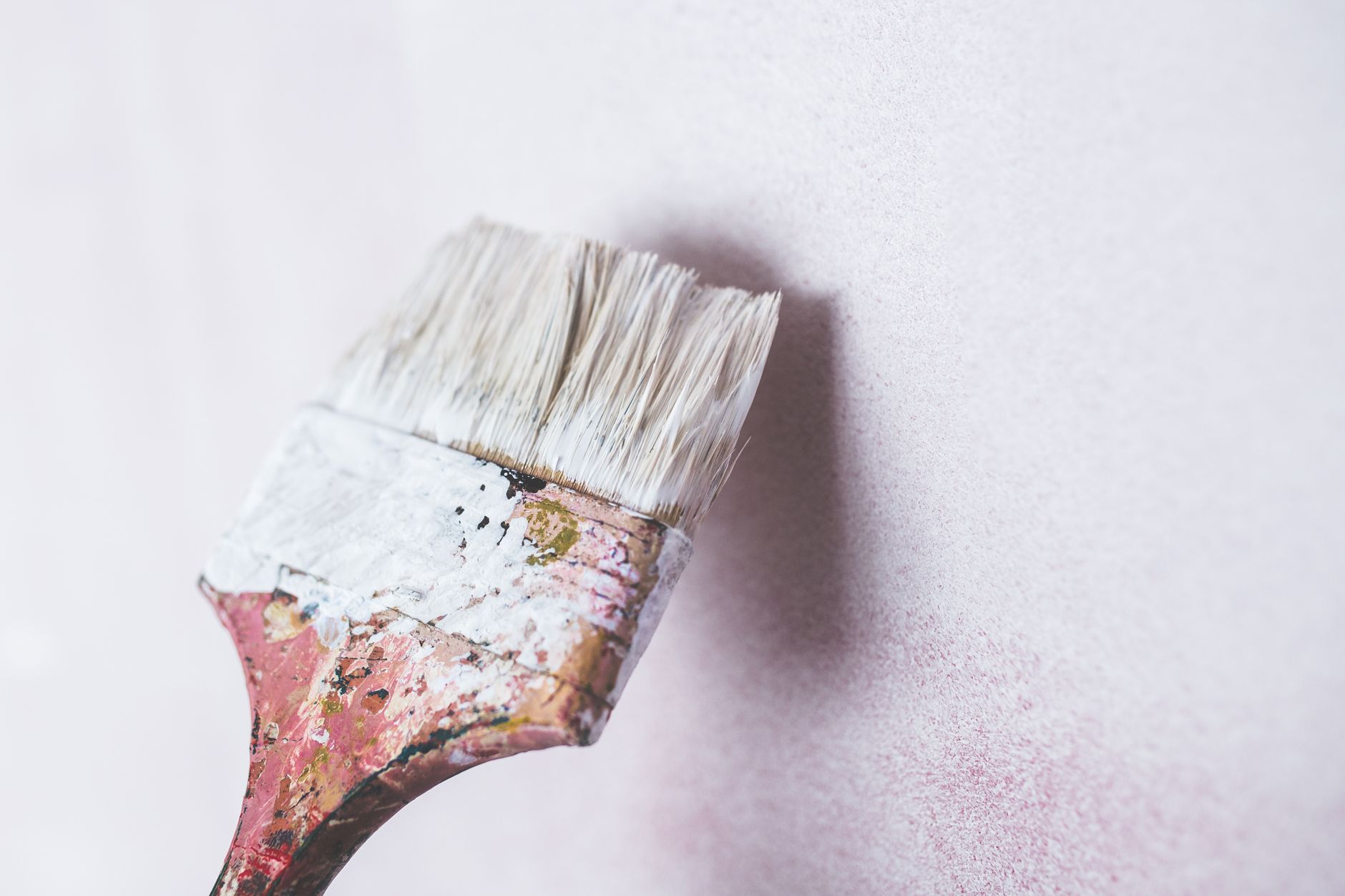
Maintaining the Appearance of Painted Woodwork
Painted woodwork, including baseboards, door frames, window sills, and crown molding, serves as a decorative frame for the interior of a home. Because these surfaces are often located near floor level or high along walls, they are subject to frequent contact, dust accumulation, and physical impact. Maintaining the luster and integrity of these surfaces requires a consistent approach to cleaning and a proactive strategy for minor repairs. When woodwork is properly cared for, it remains a crisp element of the room design rather than a source of visual clutter.
For more local guides, see house painting santa monica digest.
Effective Cleaning Strategies
Dust is the primary enemy of painted surfaces. Over time, a fine layer of particulate matter settles on horizontal surfaces like window sills and the tops of baseboards. If this dust is not removed, it can bond with oils from skin or humidity, creating a stubborn film that is difficult to lift. The most effective way to manage dust is through regular dry cleaning methods.
For routine maintenance, you should use a microfiber cloth or a soft duster. Microfiber is particularly useful because the tiny fibers are designed to trap dust rather than simply pushing it around the surface. For intricate details, such as the grooves in raised paneling or ornate crown molding, a soft brush or a vacuum cleaner with a brush attachment can reach into crevices without scratching the paint. Avoiding heavy pressure during dusting prevents the buildup of static electricity, which can actually attract more dust to the surface shortly after cleaning.
When dust is no longer sufficient to clean the surface, a damp cleaning method becomes necessary. This is typically required for areas prone to fingerprints or kitchen grease. A soft cloth dampened with lukewarm water is the safest tool for this task. It is important to wring the cloth out thoroughly. Excess water can seep into the joints between the woodwork and the wall, potentially causing the paint to bubble or the wood to swell. After wiping a section with a damp cloth, follow up immediately with a dry cloth to remove any residual moisture.
Avoiding Harsh Chemicals and Abrasives
One of the most common mistakes in maintaining painted woodwork is the use of overly aggressive cleaning agents. Many household cleaners contain solvents, acids, or alkaline substances that are intended for tile, stone, or metal, but these can be devastating to paint films. Even cleaners labeled as multipurpose can sometimes strip the sheen from semi-gloss or gloss finishes, leaving the surface looking dull and patchy.
You should avoid the following substances when cleaning painted wood:
- Abrasive powders: These act like sandpaper and will create microscopic scratches in the paint. These scratches dull the finish and make the surface more porous, which leads to faster dirt accumulation in the future.
- Solvent-based cleaners: Products containing heavy chemicals can soften the paint bond, leading to tackiness or permanent discoloration.
- Highly acidic or alkaline liquids: These can chemically react with the pigments in the paint, causing fading or staining.
- Bleach solutions: While useful for sanitizing certain surfaces, bleach can weaken the paint layer and alter the color of the finish.
If a particular stain or grease buildup requires more than water, a very mild solution of liquid dish soap is generally the safest option. A few drops of soap in a bucket of warm water provide enough surfactant to lift oils without compromising the chemical structure of the paint. Always test a small, inconspicuous area first to ensure the cleaning solution does not react poorly with the specific type of paint used on the woodwork.
Managing Scuffs and Physical Damage
Woodwork is a high traffic zone. Vacuum cleaners bump into baseboards, furniture is moved against door frames, and pets may rub against lower moldings. These actions result in scuffs, which are surface marks that do not necessarily penetrate the paint layer, and chips, which are actual losses of material.
Scuffs can often be addressed through gentle friction. If a dark mark appears on a light-colored baseboard, a clean, dry microfiber cloth rubbed firmly against the mark may lift it. In some cases, a clean eraser can be used to gently lift a rubber scuff mark from a hard, glossy surface. However, caution is required. If the paint is a flat or matte finish, rubbing too hard can create a shiny spot, which is a form of damage that is difficult to fix without repainting.
When damage goes deeper than a surface scuff, such as a chip or a scratch that reveals the wood underneath, touch up procedures are necessary. Addressing these issues early prevents the damage from becoming a focal point of the room.
The Process of Touch Ups
Successful touch ups depend on color matching and surface preparation. Even if you have the original paint, color can shift over time due to light exposure. It is often helpful to take a small sample of the existing paint to a professional supplier to ensure an exact match.
- Clean the area: Before applying any new paint, the damaged spot must be free of dust, grease, and old wax. A damp cloth followed by complete drying is essential.
- Sand the edges: If there is a chip, the edges of the remaining paint may be jagged. Use a fine grit sandpaper to lightly smooth the transition between the bare wood and the existing paint. This prevents the new paint from sitting on a "cliff," which would be visible to the eye.
- Apply paint in thin layers: Do not attempt to fill a large chip with one thick glob of paint. Instead, apply multiple thin layers. This allows the paint to level out and prevents drips or heavy textures.
- Feather the edges: When applying paint to a small spot, use a small brush to lightly stroke the edges of the new paint into the old paint. This technique, known as feathering, helps the new application blend seamlessly with the surrounding surface.
Long Term Protection and Habits
The best way to keep woodwork looking new is to prevent damage before it occurs. Awareness of how furniture is positioned in a room can prevent constant contact with door frames or baseboards. Using felt pads on the bottom of heavy furniture can also reduce the likelihood of accidental strikes against lower moldings during cleaning or movement.
Regularity is the most important factor. A quick dusting once a week prevents the buildup of grime that eventually requires heavy scrubbing. By treating painted woodwork as a delicate surface rather than a rugged structural element, you can extend the life of the finish and maintain the aesthetic quality of your interior spaces for many years.